Why Do Dogs Bark At People Walking By: Causes & Fixes
Why do dogs bark at people walking by? Learn the common causes and practical ways to reduce barking and help your dog stay calm.
Dogs bark at people walking by to alert, protect, communicate, or respond to fear, excitement, and past experiences.
If you have wondered, “why do dogs bark at people walking by,” the answer is rarely as simple as aggression. A dog may be guarding the home, asking for space, reacting to movement, or feeling unsure about a stranger. Understanding the reason behind the bark is the first step toward calmer walks, quieter windows, and a safer bond with your dog.
Why Do Dogs Bark at People Walking By?
Dogs bark at people walking by because barking is one of their main ways to communicate. It can mean “I see someone,” “stay away,” “come closer,” or “I am excited.” The same sound may have different meanings, so you must look at the dog’s body language and the situation around the bark.
A dog behind a fence may bark at every passerby because the person enters its perceived territory. A dog on a leash may bark because it feels trapped and cannot move away. Another dog may bark from excitement because it wants to greet the person.
The key question is not only, “Why do dogs bark at people walking by?” It is also, “What does the dog gain from barking?” If the person keeps moving, the dog may believe its bark made the person leave. That can make the habit stronger over time.
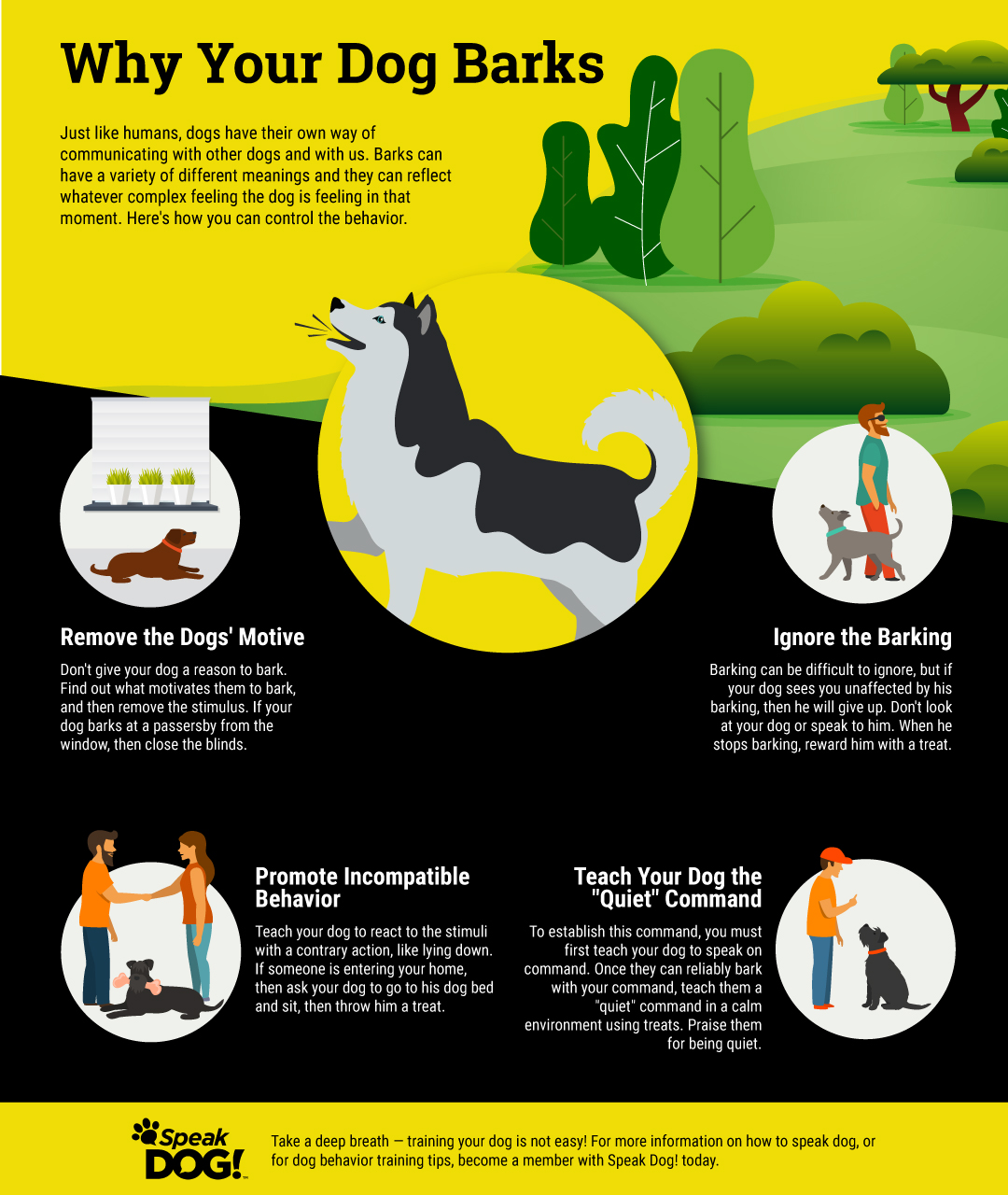
Common Reasons Dogs Bark at Passersby
Territorial behavior
Many dogs bark at people walking by to protect what they view as their territory. This may include the home, yard, porch, car, or even a favorite resting spot.
Windows and fences can make this response stronger. The dog sees a person approach, barks, and then watches the person disappear. From the dog’s point of view, the barking may seem successful.
Territorial barking often includes:
• Barking near windows, doors, or fences
• A stiff body and forward posture
• Direct staring at the person
• Raised hackles or a high, tight tail
• Barking that stops once the person passes
Territorial behavior is normal in many dogs, but constant barking can become stressful for the dog and everyone nearby.
Fear and uncertainty
Some dogs bark at people walking by because strangers make them nervous. Barking creates distance, much like a person stepping back from something that feels unsafe.
Fear-based barking may include:
• Leaning away while barking
• Tucking the tail
• Lowering the body
• Pinning the ears back
• Lip licking, yawning, or trembling
• Trying to hide behind the owner
A fearful dog is not always trying to be tough. It may be saying, “Please do not come closer.” Punishing this type of barking can increase fear and may remove the warning without solving the emotion underneath.
Excitement and frustration
Some dogs bark because they want to greet the person. This is common in friendly dogs that become overly excited when they see joggers, children, delivery workers, or other dogs.
Excited barking often comes with:
• A loose, wiggly body
• A fast-moving tail
• Jumping or pulling
• Whining mixed with barking
• Looking back at the owner
• Trying to move toward the person
This is sometimes called frustration-based barking. The dog wants access but cannot reach the person because of a leash, window, gate, or door.
Social communication
Dogs use barking to communicate with both people and other dogs. A dog may bark at a passerby to invite attention, announce a visitor, or respond to another dog’s bark.
Barking can also spread between dogs. One dog starts, another dog joins, and soon the whole street sounds involved. This does not always mean every dog feels the same emotion. Some may simply respond to the noise.
Herding or movement control
Certain breeds have a strong instinct to notice and control movement. Border Collies, Australian Shepherds, Shetland Sheepdogs, and similar working breeds may bark at runners, cyclists, children, or people walking quickly.
The dog may be trying to:
• Stop the movement
• Direct the person
• Gather people together
• Respond to fast or sudden motion
This behavior is not a sign that the dog is “bad.” It reflects instincts bred for work. Still, it needs safe training because chasing and barking can frighten people and create dangerous situations.
Learned behavior
Dogs repeat actions that seem to work. If barking causes a person to walk away, a gate to open, or an owner to provide attention, the dog may bark more often.
This is called reinforcement. It does not require anyone to intentionally reward the dog. Even shouting “stop barking” can act as attention, especially for a dog that enjoys interaction.
Pain, illness, or age-related changes
A sudden change in barking deserves attention. Pain, hearing loss, vision changes, cognitive decline, and some medical problems can alter a dog’s behavior.
Contact a veterinarian if your dog:
• Suddenly starts barking at familiar people
• Barks more at night
• Seems confused or restless
• Shows signs of pain
• Becomes unusually jumpy
• Changes eating, sleeping, or bathroom habits
Behavior changes can have both medical and emotional causes. A veterinary check is a wise first step when the change is new or intense.

How Body Language Explains the Bark
The sound of a bark matters, but body language often gives you the clearer answer. Think of the bark as a sentence and the body as the rest of the conversation.
A relaxed dog may bark with a loose jaw, soft eyes, and a wiggly body. A fearful dog may bark with its weight shifted backward. A highly aroused dog may look stiff, stare hard, and move quickly toward the person.
Look at these signals together:
• Loose body: The dog may be excited or social.
• Stiff body: The dog may feel tense, threatened, or ready to react.
• Wagging tail: A wag does not always mean friendliness. Fast, high, stiff wagging can show high arousal.